Every student learns in their own unique way, but 2e students may struggle harder. Despite their exceptional intelligence, these students suffer learning, executive functioning, attention, and sensory problems. Due to their unique combination of talents and limitations, they often find it difficult to succeed in a traditional classroom setting where teaching tactics are usually developed for the average student.
As a result, many families start thinking about specialized education for 2e students, which acknowledges a child’s learning difficulties in addition to their giftedness. By providing tailored instruction and flexible learning environments, specialized programs help twice-exceptional people develop their self-confidence, enhance their academic skills, and reach their full potential.
One Teaching Style Doesn’t Fit Every Learner
Conventional classrooms usually use whole-group instruction, a set pace, and a standardized curriculum. Although many students find success with this strategy, those whose learning demands are not typical may encounter obstacles.
Lessons may go too quickly in areas where 2e students require more assistance while moving too slowly in subjects where they excel. Frustration, boredom, or disengagement may result from this imbalance.
Students may find it challenging to maintain motivation and fully engage in class activities if they aren’t challenged in their areas of strength or supported in their areas of difficulty.
Gifted Abilities Can Hide Learning Challenges
Although their talents might make up for their difficulties, twice-exceptional students are frequently disregarded. In order to overcome reading or writing challenges, a gifted student may employ sophisticated reasoning techniques, which would make those challenges less apparent.
On the other hand, gifted skills may be overshadowed by learning difficulties, leading teachers to underestimate a student’s academic potential.
These pupils might never get the help they genuinely require without thorough assessment and tailored training.
Read More: Changing Careers Without Starting Over From Scratch
Individual Attention Makes a Difference
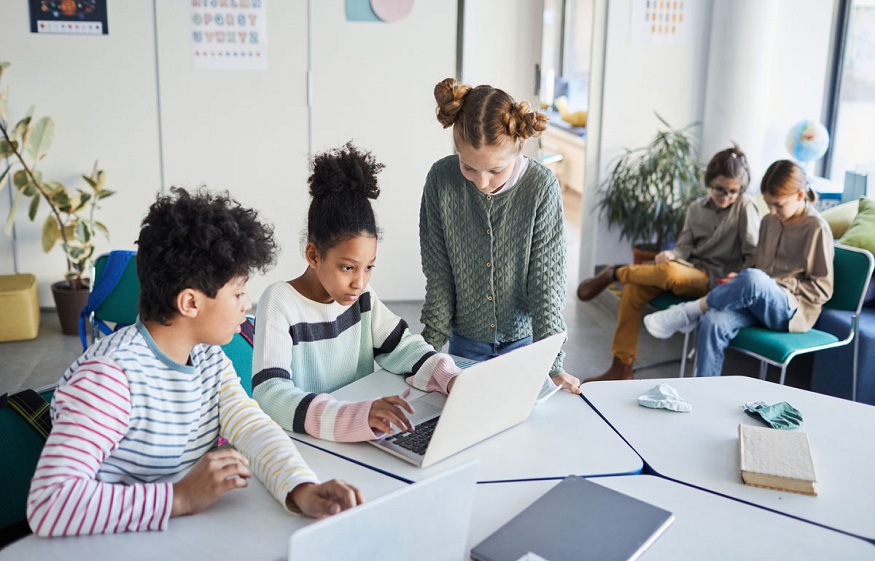
Teachers frequently find it challenging to consistently offer individualized support in large class sizes. Due to time and resource limitations, teachers may find it challenging to deliver specialized instruction despite their best efforts.
Students who gain from one-on-one instruction might not have enough chances to:
- Quick feedback
- Personal coaching
- Tailored educational approaches
- Reinforcement of skills
- Individualized goal-setting
Students might gain confidence in their skills and comprehend concepts more fully in more customized learning environments.
Social and Emotional Needs Matter Too
Students who are twice outstanding frequently have difficulties outside of the classroom. When their skills don’t match their performance in the classroom, they could get irritated or feel misinterpreted by classmates who don’t see both sides of their learning profile.
Some students encounter:
- Insufficient self-assurance
- Perfectionism
- Fear
- Fear of committing errors
- Social exclusion
- Having trouble asking for assistance
Supportive learning settings acknowledge the critical role that emotional health plays in academic achievement. Resilience and self-esteem are fostered when students are encouraged to recognize their strengths while tackling problems.
Personalized Learning Encourages Growth
Individualized instruction adjusts to each learner’s own profile instead of assuming that every student will learn in the same way.
For 2e students, effective specialized instruction frequently consists of:
- Individualized lesson plans
- Adaptable timetable
- One-on-one training
- Small class sizes
- Learning based on mastery
- Strength-based instructional strategies
Students can progress at a pace suitable for their abilities and assistance needs with the use of these strategies.
Focusing on Strengths Builds Confidence
While academic support is crucial, it’s just as important to assist pupils in developing their innate skills. When gifted students are encouraged to pursue subjects they truly enjoy, they frequently become more involved.
Giving students the chance to engage in advanced coursework, creative projects, independent study, and practical discovery enables them to see that their talents are just as significant as the difficulties they encounter.
This comprehensive strategy promotes improved motivation and lifelong interest.
Choosing the Right Educational Environment
There isn’t a single educational approach that suits all twice-exceptional students because each one has different demands. Learning environments that prioritize flexibility, individualized education, and a whole-child approach should be taken into consideration by families.
Parents may consider the following while assessing schools:
- Small class sizes
- Tailored education
- Skilled teachers
- Adaptable curriculum
- Social and emotional assistance
- Academic enrichment opportunities
Students can develop their confidence and realize their full academic and personal potential in a supportive learning environment.
Final Thoughts
Students who are twice exceptional bring outstanding skills to the classroom, but they also need instructional strategies that take into account their particular set of advantages and disadvantages. The flexibility, targeted attention, and customized pacing that these students require to succeed may not always be available in traditional classrooms.
Read More: Certified Fraud Examiner Salary Explained: Pay, Growth, and Career Reality
Lydian Academy uses mastery-based teaching, tailored learning plans, one-on-one instruction, and flexible academic pathways to provide specialized education for 2e children. Lydian Academy fosters a learning environment where twice-exceptional kids can gain confidence, acquire critical skills, and achieve long-term academic success by emphasizing each student’s strengths and offering focused support when necessary.