
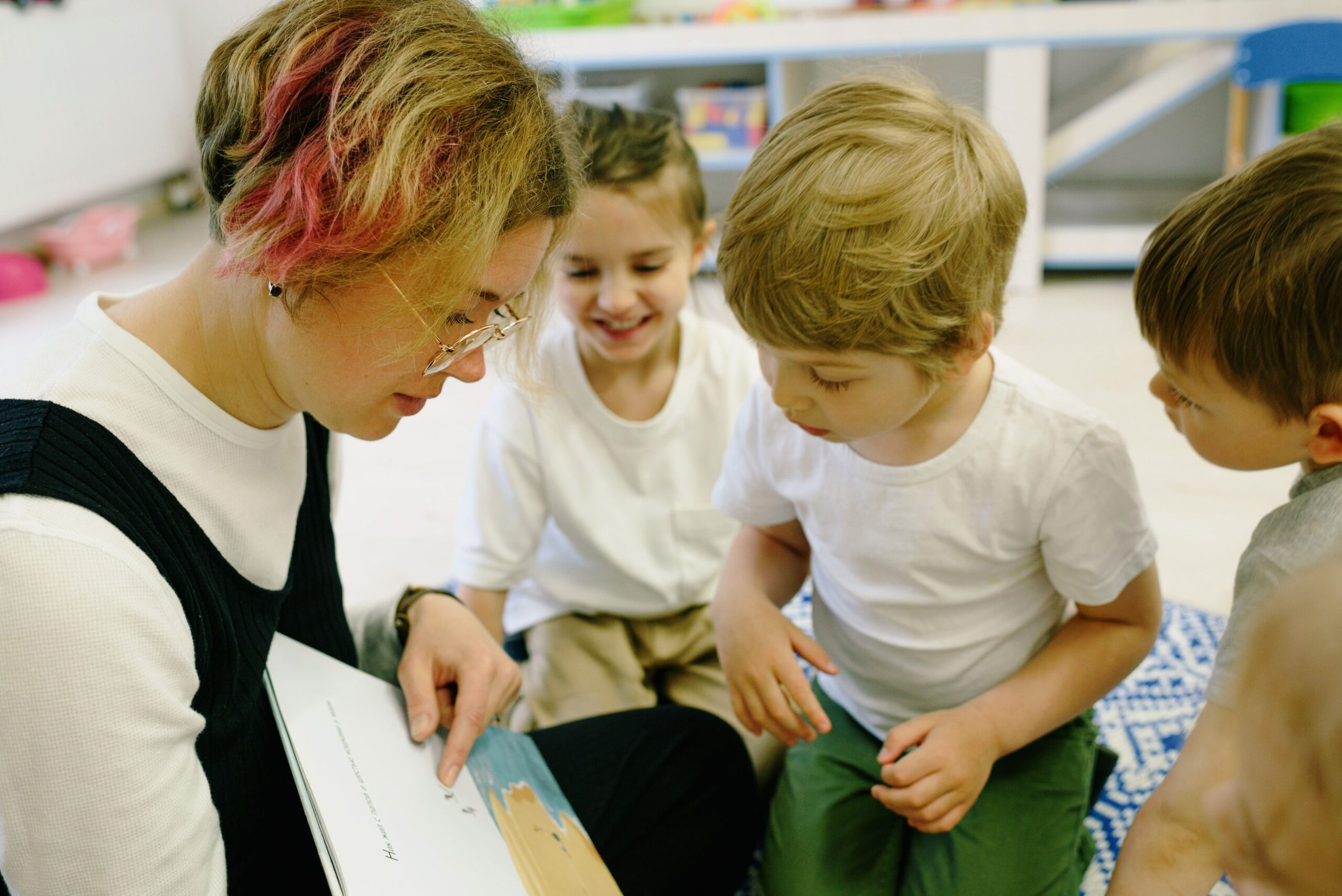
A nursery teacher’s morning can begin with a tablet that needs charging, a parent asking whether cartoons at breakfast are acceptable, and a message wondering if photos from yesterday’s sand play can go on the class app. None of these tasks appears in a traditional job description, yet all of them now sit comfortably inside an ordinary day.
Early years teachers have always shaped what children see, hear and handle, from books and toys to digital tools. Yet, navigating online safety, screen time and privacy requires new skills. Globally Accredited Teacher Training Courses can help educators build the confidence to make informed digital choices.
This is the idea behind the “digital gatekeeper”. It describes the adult who decides which technology enters a young child’s day, how it is used, and what is shared about it afterwards.
What a Digital Gatekeeper Actually Does
The word “gatekeeper” can sound restrictive, but the role is closer to curation than to blocking. A good gatekeeper is not there to keep technology out. Their task is to decide what deserves a place in the room and what does not.
Young children cannot judge for themselves whether an app suits their age, whether a video is too fast, or whether a game is teaching anything at all. The teacher weighs purpose, timing and alternatives, often within seconds and often without a clear policy to lean on. That is a significant professional judgement, and it happens many times a week.
6 Digital Decisions Nursery Teachers Make Every Week
Here are six decisions that quietly shape how children meet technology in the early years:
1. Which Apps And Videos Are Suitable
Children’s content comes in huge variety, and labels such as “educational” can mean very different things. A teacher has to look at what the child actually does with the content. Is the child thinking, talking and exploring, or only tapping and watching?
Useful questions to ask include:
- Does it match the child’s age and stage of development?
- Does it encourage interaction, or only passive viewing?
- Does it lead naturally into a real-world activity afterwards?
2. When A Screen Belongs In The Day
Technology can support a story, a song or a simple investigation, but it can also crowd out play, movement and conversation. Teachers need to decide when a screen adds something that other resources cannot. Often the most thoughtful choice is not to use one at all. Online Nursery Teacher Training Courses help teachers make informed decisions about screen time, ensuring digital tools support learning without replacing meaningful hands-on experiences.
3. What Gets Shared With Parents
Class apps and messaging groups make it easy to send photos and updates, and parents usually love receiving them. They also raise questions. Who appears in the picture? Has everyone agreed to it? Does a particular image show a child on a difficult day who would rather not be remembered that way?
4. How To Respond When Parents Ask About Screens At Home
Parents often turn to the nursery teacher for reassurance. Some feel guilty about screen use, while others are unsure how to set limits. A teacher who responds with warmth and practical ideas, instead of judgement, can build trust and support children’s routines beyond the classroom.
5. How Children’s Information Is Protected
Digital registers, learning journals and photo libraries all hold personal details about very young children. Teachers do not need to become data experts, but they do need to understand basic habits such as using approved platforms, avoiding personal devices for sharing images and following the setting’s policy carefully.
6. What Children Learn From Watching The Adult
Children notice how adults use their devices. A teacher who puts a phone away during circle time and gives full attention to a child’s story is teaching something about respect and presence. These small habits shape how children come to think about technology.
Why Training Has Been Slow to Catch Up
Many nursery teachers qualified with strong foundations in child development, play-based learning, observation and safeguarding. Those foundations remain essential. However, digital decision-making was rarely a distinct part of their preparation, because the tools and the questions they raise were not part of everyday early years life at the time.
As a result, teachers often fill the gap with whatever is nearby, such as a colleague’s habits, a parent’s expectations or an app’s own marketing. This can lead to inconsistency from one room to the next, and it can leave capable teachers feeling uncertain about decisions that deserve confidence.
What Preparation Can Cover
Professional learning can help turn these scattered judgement calls into clear, shared practice. Online Nursery Teacher Training Courses can give working teachers the flexibility to study child development and classroom practice while relating each topic to their own rooms.
A well-designed Online NTT Course generally covers areas such as early learning, communication with families, safeguarding and positive behaviour, and it can also encourage teachers to apply those ideas to digital situations.
Useful areas for practice include:
- Developing a simple framework for judging apps and online content
- Planning screen use around learning goals instead of habit
- Writing clear guidelines for photo sharing and family communication
- Preparing short, kind conversations with parents about screens at home
Early years teachers also move between settings, curricula and even countries more than before, and expectations about digital use can differ widely between them. Therefore, Online Nursery Teacher Training Courses can be one practical way to build that confidence while continuing to work with children, and the children themselves are the ones who benefit most.
Bottom Line
The nursery teacher has always been a gatekeeper, deciding which stories, songs and experiences reach a young child. Today that role includes screens, apps and digital updates, and it deserves the same thoughtfulness that early years educators bring to everything else. Training that includes this part of the job helps teachers make choices with confidence instead of guesswork. Globally Accredited Teacher Training Courses can offer a recognised foundation in child development and safeguarding that travels with a teacher, while still leaving room to adapt to the policies and families of each new setting.