
Technical knowledge and academic qualifications are important for career success, but they are no longer enough on their own. In today’s fast-changing workplace, employers are looking for professionals who can work effectively with others, share ideas clearly, and contribute to team success.
Collaboration and communication skills have become some of the most valuable workplace abilities. Whether you are a student preparing for your first job or a young professional aiming for career advancement, developing these skills can open new opportunities and help you grow faster.
As industries become more connected and technology-driven, the ability to communicate, collaborate, and innovate is becoming essential for future careers. Let’s explore how these skills influence career growth and why they matter more than ever.
Why Collaboration and Communication Matter in Modern Workplaces
Organizations today rely heavily on teamwork. Projects often involve people from different departments, locations, and backgrounds working together toward a common goal.
Strong communication helps team members understand expectations, solve problems, and avoid misunderstandings. Collaboration ensures that everyone contributes their strengths to achieve better outcomes.
Read More: Changing Careers Without Starting Over From Scratch
When employees communicate effectively and work well with others, teams become more productive, creative, and efficient. This is why employers consistently rank communication and teamwork among the most sought-after skills.
The Connection Between Communication Skills and Career Growth
Better Professional Relationships
Good communication helps build trust and strong relationships with colleagues, managers, and clients.
Employees who communicate clearly are often seen as reliable and professional. They can express ideas confidently, provide constructive feedback, and handle workplace challenges more effectively.
Strong workplace relationships often lead to better networking opportunities, mentorship, and career advancement.
Increased Leadership Opportunities
Leadership is closely connected to communication.
Managers and team leaders must guide teams, explain goals, motivate employees, and resolve conflicts. Professionals with strong communication skills naturally stand out when leadership positions become available.
Even early in your career, demonstrating effective communication can help you gain greater responsibilities and recognition.
Improved Problem-Solving
Communication plays a major role in solving workplace problems.
When team members openly share ideas and concerns, issues can be identified and addressed quickly. Clear discussions lead to better decision-making and more effective solutions.
Employers value individuals who can communicate during challenging situations and help teams stay focused on solutions.
How Collaboration Enhances Career Success
Encourages Knowledge Sharing
Collaboration allows people to learn from one another.
Working with different team members exposes individuals to new perspectives, skills, and experiences. For example, students preparing for board examinations frequently exchange study materials and discuss repeated questions in 12th board exams, helping each other understand important topics more effectively.
This continuous exchange of knowledge helps professionals grow faster and become more adaptable.
Builds Stronger Professional Networks
Successful collaboration naturally expands your professional network.
Every project creates opportunities to connect with colleagues, mentors, industry experts, and leaders. These relationships can lead to future job opportunities, partnerships, and career growth.
Read More: How Hyderabad Students Can Crack NID 2026: A Complete Practical Guide for Beginners
Networking is often easier for individuals who actively contribute and collaborate within teams.
Increases Workplace Productivity
Teams that collaborate effectively complete projects more efficiently.
When responsibilities are shared and communication flows smoothly, work gets done faster and with fewer mistakes. Employees who contribute to successful team outcomes are often recognized and rewarded.
This recognition can lead to promotions, salary increases, and career advancement opportunities.
The Role of Creativity and Innovation in Team Collaboration
Creativity and innovation are becoming essential skills in modern workplaces.
When people collaborate, they bring different experiences and perspectives to the table. This diversity often sparks creative thinking and leads to innovative solutions.
Organizations value employees who can contribute fresh ideas while also working effectively with others to turn those ideas into reality.
Real-World Example: Product Development Teams
Imagine a technology company developing a new mobile application.
Designers focus on user experience, developers handle technical features, marketers understand customer needs, and project managers coordinate timelines.
Through effective collaboration and communication, the team combines its expertise to create a successful product. Without teamwork, even the best individual ideas might never become reality.
This example highlights how collaboration fuels innovation and drives business success.
Communication and Collaboration in Future Careers
The future of work is changing rapidly due to technology, automation, and artificial intelligence.
While technical skills remain important, human-centered skills such as communication, collaboration, creativity, and innovation are becoming even more valuable.
Many routine tasks can be automated, but building relationships, leading teams, solving complex problems, and generating creative ideas still require strong interpersonal abilities.
Professionals who develop these skills will be better prepared for future careers across industries.
Remote and Hybrid Work Environments
Remote work has increased the importance of communication skills.
Employees now collaborate through video calls, messaging platforms, and digital project management tools. Clear communication helps teams stay connected and productive despite physical distance.
Professionals who can communicate effectively in virtual environments have a significant advantage in today’s workforce.
Practical Ways Students Can Improve Collaboration and Communication Skills
Participate in Group Projects
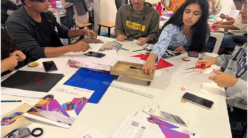
School and college projects provide excellent opportunities to practice teamwork.
Students often work together to discuss concepts, solve problems, and prepare for exams by sharing resources such as key CBSE questions. This collaborative approach helps improve both communication and learning outcomes.
Focus on listening to others, sharing ideas respectfully, and contributing actively to group goals
Develop Active Listening Skills
Communication is not just about speaking.
Active listening involves paying attention, understanding different viewpoints, and responding thoughtfully. Good listeners often become better collaborators and leaders.
Join Clubs and Organizations
Student clubs, volunteer groups, and community organizations help develop teamwork and leadership skills.
These experiences provide valuable opportunities to work with diverse individuals and improve communication abilities.
Practice Public Speaking
Public speaking builds confidence and improves communication effectiveness.
Presentations, debates, and workshops can help students learn how to express ideas clearly and professionally.
Use Digital Collaboration Tools
Learning to use collaboration platforms such as project management tools, video conferencing software, and team communication applications can prepare students for modern workplaces.
These skills are increasingly important for future career success.
Common Communication Mistakes to Avoid
Even talented professionals can struggle if they make communication mistakes.
Some common issues include:
- Not listening carefully to others.
- Interrupting during discussions.
- Sending unclear messages.
- Avoiding difficult conversations.
- Failing to provide constructive feedback.
Being aware of these habits can help individuals improve their communication effectiveness and professional reputation.
Why Employers Prioritize These Skills
Employers understand that successful businesses depend on strong teams.
Employees who communicate effectively and collaborate well contribute to better customer experiences, stronger workplace cultures, and improved business results.
As a result, hiring managers often evaluate communication and teamwork skills during interviews and performance reviews.
Candidates who demonstrate these abilities often have a competitive advantage in the job market.
Conclusion
Collaboration and communication skills are no longer optional but they are essential for career growth in the modern workplace. These skills help professionals build relationships, solve problems, lead teams, and contribute to innovation.
For students and young professionals, investing time in developing communication, teamwork, creativity, and innovation skills can create long-term career benefits. As workplaces continue to evolve, those who can connect with others, share ideas effectively, and collaborate toward common goals will be well-positioned for success.
The future belongs to professionals who combine technical expertise with strong human skills. By improving collaboration and communication today, you can build a stronger foundation for tomorrow’s career opportunities.